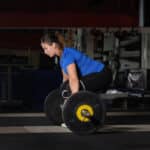
1. Building Confidence Through Strength
Strength training for women begins with understanding how resistance-based movements reshape physical ability and mental confidence. This first step sets the tone for long-term success by emphasizing simple routines that grow more challenging over time. Many beginners worry about form, but focusing on controlled motion and mindful repetition creates a solid foundation for strength. The progression from bodyweight moves to weights helps establish both skill and stability.
Progress comes from consistency more than intensity. Starting with lighter loads builds trust in the process and in one’s capabilities. The real transformation stems from repeatedly taking small steps that accumulate into meaningful change over time.
2. Why Women Benefit From Resistance Work
Many people search for how strength training for women improves metabolism, hormonal balance, and long-term functional fitness. These benefits extend beyond appearance, supporting mobility, posture, and injury prevention. Understanding these outcomes helps women commit to sustainable routines tailored to their unique needs. As strength levels improve, so does confidence in navigating daily physical challenges.
Women experience distinct changes in joint stability, bone density, and overall energy when they maintain resistance routines. Each session gradually enhances these qualities, creating physical resilience that continues to grow with age.
3. How Often Should Women Train?
Most searches about strength training for women focus on weekly frequency, and experts typically recommend two to four weekly sessions. This approach gives muscles enough stimulus to grow while allowing the body time to rest. Many women underestimate the importance of recovery, yet it is during rest that muscles strengthen and adapt. Balancing training days with rest ensures steady, safe progress.
Finding a schedule that fits one’s lifestyle often determines long-term commitment. Busy schedules may require shorter sessions, but consistency remains more important than duration.
4. What Muscles Should Women Target First?
People often ask which areas strength training for women should prioritize, and core, glutes, and back muscles typically lead the list. These regions support posture and stability, helping women lift safely and efficiently. Strengthening them early on creates a strong base for more advanced movements later. Targeting full-body routines ensures balanced growth and avoids muscle imbalances.
Women benefit from routines that distribute workload evenly across the body. In the long run, this balanced approach creates sustainable strength without overworking any single area.
5. Can Women Build Muscle Without Bulking?
A significant concern about strength training for women is becoming bulky, but women naturally lack the testosterone needed for extreme muscle growth. Instead, resistance training shapes lean, toned muscles that improve overall body composition. This results in a sculpted but natural appearance rather than excessive size. The focus is on strength and function rather than mass.
Muscle development occurs gradually and predictably. Balanced programs and appropriate nutrition ensure women gain definition without unwanted size.
6. What Equipment Do Beginners Need?
Another frequent search involving strength training for women asks what equipment is essential. Light dumbbells, resistance bands, and a sturdy mat are enough to begin. Starting small removes intimidation and builds familiarity with common tools. As confidence grows, women can incorporate heavier weights or machines. Progress happens naturally when tools match current capability.
Simple tools reduce barriers to entry and make workouts flexible. Over time, investing in additional equipment becomes optional, not mandatory.
7. How Do Women Improve Form?
Searchers looking into strength training for women want guidelines for proper form, which is crucial for safety and results. Beginning with slow tempo movements helps reinforce correct posture while reducing injury risk. Working with mirrors or recording sessions supports alignment awareness. Women benefit from learning foundational mechanics before increasing weight.
Correct form increases efficiency and prevents plateaus. Small adjustments in alignment often lead to significant improvements in performance and comfort.
8. What Are the Best Beginner Exercises?
People often ask which movements strength training for women should include first, and experts recommend squats, lunges, glute bridges, rows, and planks. These multifunctional exercises build strength across multiple muscle groups simultaneously. They prepare the body for more complex movements later. Beginners should master these fundamentals before progressing.
Basic compound exercises produce strong returns on time investment. They teach coordination and build overall stability.
9. Should Women Lift Heavy or Light?
A major question about strength training for women is whether heavy or light weights are better. Lifting heavier weights for fewer repetitions builds strength, while lighter weights for higher repetitions improve endurance. A combination of both methods provides balanced results. Women benefit from gradually increasing weight as their ability improves.
Variation prevents boredom and supports full-spectrum fitness. Alternating strategies keeps the body adapting and progressing.
10. How Long Until Results Appear?
People researching strength training for women want realistic timelines. Visible changes commonly appear within six to twelve weeks with consistent effort. Internal improvements, such as better energy and posture, may occur sooner. Results depend on intensity, frequency, and recovery habits. Aligning expectations with reality keeps motivation steady.
Progress is a cumulative process based on small daily choices. Patience ensures sustainable results without burnout.
11. How Does Strength Support Weight Loss?
Many search queries about strength training for women link resistance work to fat loss. Muscle tissue burns more calories at rest, making everyday activities more efficient. Strength routines enhance metabolic rate and improve overall energy balance. Pairing training with nutritious eating amplifies results. A balanced approach supports long-term weight management.
Lasting weight changes come from consistent habits rather than rapid, short-lived efforts. Small improvements in routine collectively shape outcomes.
12. Can Women Train During Pregnancy?
Frequent questions about strength training for women involve prenatal safety. Light to moderate routines are often safe, but medical approval is essential. Training can support posture, muscle tone, and comfort during pregnancy. Avoiding high-risk movements ensures safety. Listening to the body becomes especially important during this time.
Pregnancy introduces unique considerations that require thoughtful pacing. Adjusting intensity protects both mother and child.
13. What Should Women Eat for Muscle Growth?
Nutrition questions dominate searches about strength training for women, emphasizing protein intake for muscle repair. Balanced meals with healthy carbohydrates and fats support energy levels for training. Proper hydration further improves performance. Women benefit from creating simple, sustainable meal habits that fuel their goals.
Diet impacts strength more than many realize. Consistency in nutrition often determines how well the body adapts to training.
14. How Does Strength Help with Aging?
Searches about strength training for women frequently mention aging, as resistance routines protect bone density and joint function. These exercises reduce fall risk and maintain everyday mobility. Maintaining muscle mass helps older women preserve independence. Regular training slows age-related physical decline.
Aging well involves proactive physical decisions. Strength routines play a central role in long-term quality of life.
15. How Do Women Stay Motivated?
Motivation is a major topic in queries related to strength training for women. Creating enjoyable workouts and tracking progress encourages consistency. Setting achievable goals makes the process satisfying. Supportive communities also help women stay engaged. Celebrating small wins reinforces commitment.
Long-term motivation thrives on sustainable habits rather than bursts of high enthusiasm. Routines anchored in enjoyment last longest.
16. Do Women Need Supplements?
Searches about strength training for women often explore supplements, but food-first approaches usually meet most needs. Some women benefit from protein powders or creatine after consulting professionals. Supplements should complement—not replace—nutritious meals. Their role varies depending on lifestyle and training load.
Supplement choices should remain simple and targeted. Most progress comes from consistent training and balanced nutrition.
17. How Do Women Prevent Injury?
Injury questions related to strength training for women focus on proper warm-ups and avoiding overtraining. Dynamic stretching, light activation exercises, and controlled tempo movements prepare the body. Listening to discomfort signs prevents long-term setbacks. Recovery practices, such as quality sleep, also contribute to safety.
Preventing injury ensures continuity in training. Thoughtful preparation allows steady progress.
18. Is Cardio Necessary for Women Who Lift?
Many searchers ask whether strength training for women replaces cardio, but both forms of exercise serve unique purposes. Resistance work builds muscle, while cardio enhances heart health and endurance. Combining both supports balanced fitness. Women benefit from tailoring ratios to their goals.
The blend of training styles creates a well-rounded program. Cardio and resistance complement one another effectively.
19. How Can Women Track Strength Progress?
Progress tracking in strength training for women often includes repetition logs, weight increases, or improved form. Measuring consistency also provides insight. When strength gains slow, adjusting routines helps break plateaus. Tracking fosters motivation and reveals long-term development.
Objective measurements highlight growth that may not be visually obvious. This reinforces satisfaction with the process.
20. What If Women Feel Intimidated at the Gym?
Gym intimidation is a common search topic regarding strength training for women. Starting with familiar equipment and basic movements builds comfort. Many beginners prefer off-peak hours. Gyms often offer orientation sessions to reduce uncertainty. Confidence grows with exposure and repetition.
Gym anxiety fades as routines become familiar. A welcoming environment further supports this transition.
21. Should Women Train Upper Body?
Questions about strength training for women often include whether upper body work is necessary. Balanced routines require attention to arms, shoulders, and back. Upper body strength supports posture and daily tasks like lifting or carrying. It also provides aesthetic balance. Neglecting these areas limits full-body development.
A comprehensive approach ensures long-term function and prevents imbalances.
22. How Can Women Overcome Plateaus?
Plateau-related searches in strength training for women highlight the importance of variety. Changing repetitions, switching exercises, or increasing weight stimulates new growth. Periodization schedules maintain long-term interest and challenge. Small changes often break stagnation.
Progress requires ongoing adaptation. The body responds best when routines evolve gradually.
23. Can Women Train at Home Effectively?
Home-training searches connected to strength training for women focus on flexibility and convenience. Many exercises require minimal equipment. Effective routines include timed circuits, progressive overload, and structured rest. Home workouts provide privacy for beginners who prefer solo training.
Simple environments often create strong consistency. The key is organization and gradual progression.
24. How Does Strength Improve Mental Health?
Mental health queries related to strength training for women focus on its impact on stress, mood, and self-esteem. Regular training releases endorphins and fosters a sense of empowerment. Many women report improved emotional resilience as they gain physical strength. This connection becomes a motivating force.
Emotional well-being enhances overall quality of life. Balanced physical routines support both mind and body.
References